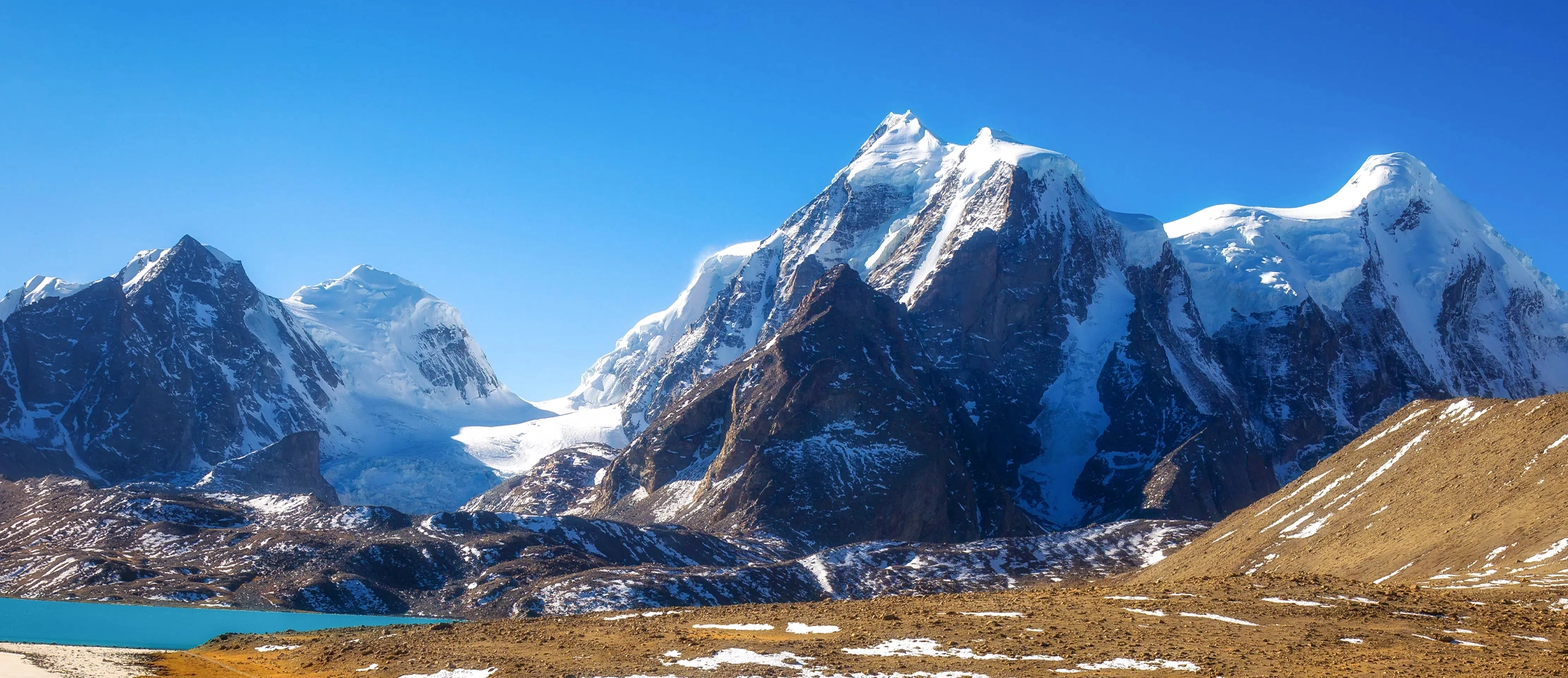
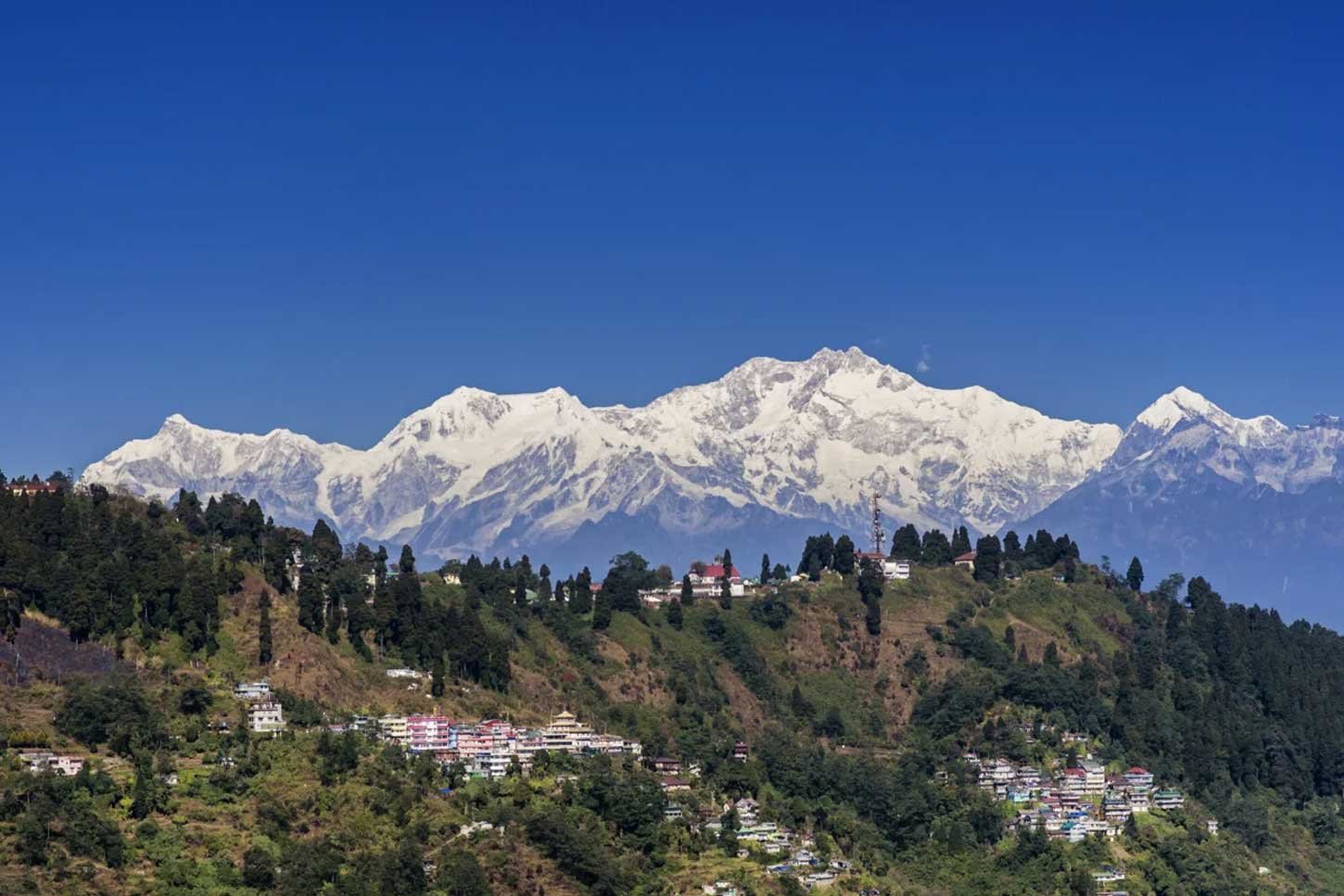
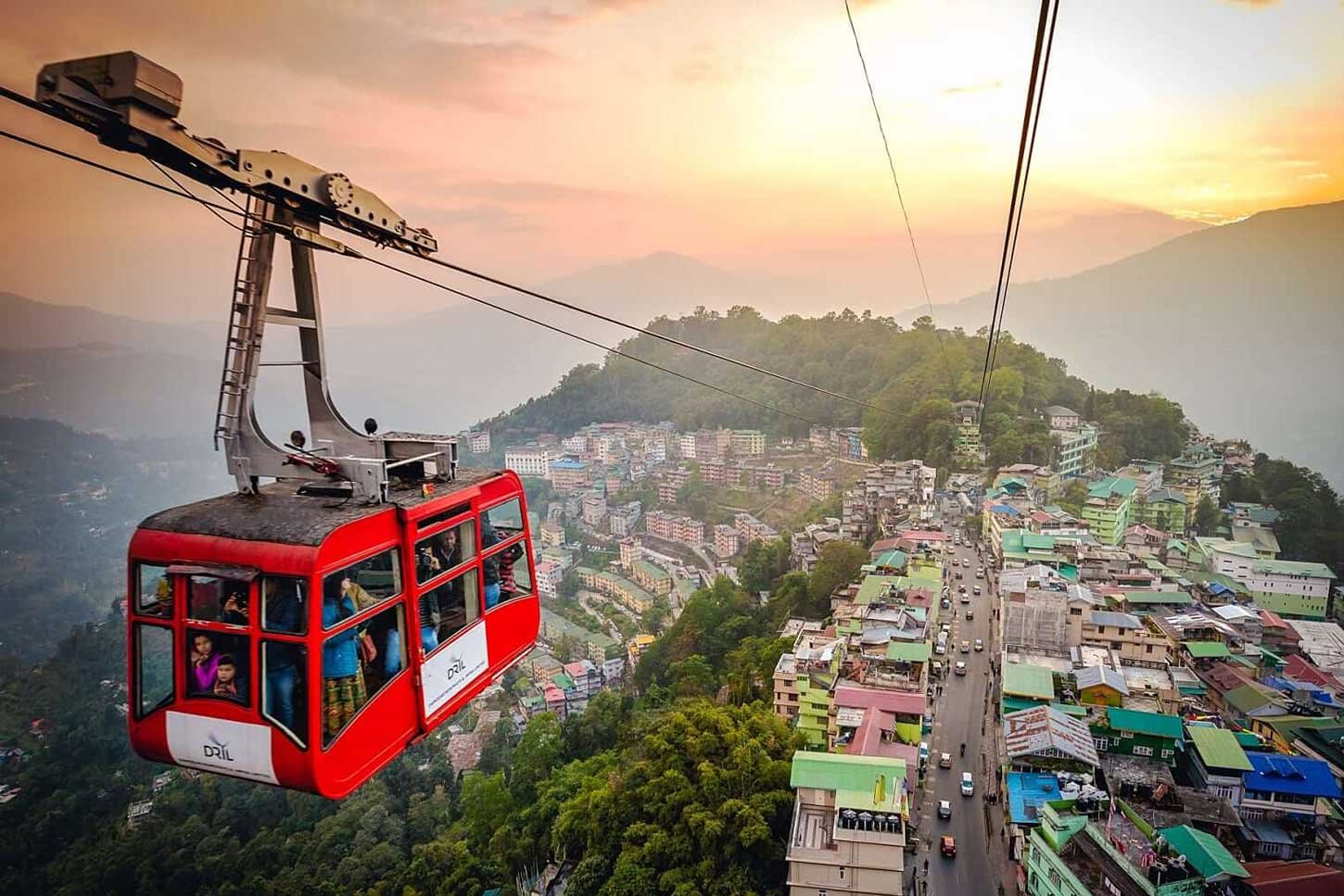
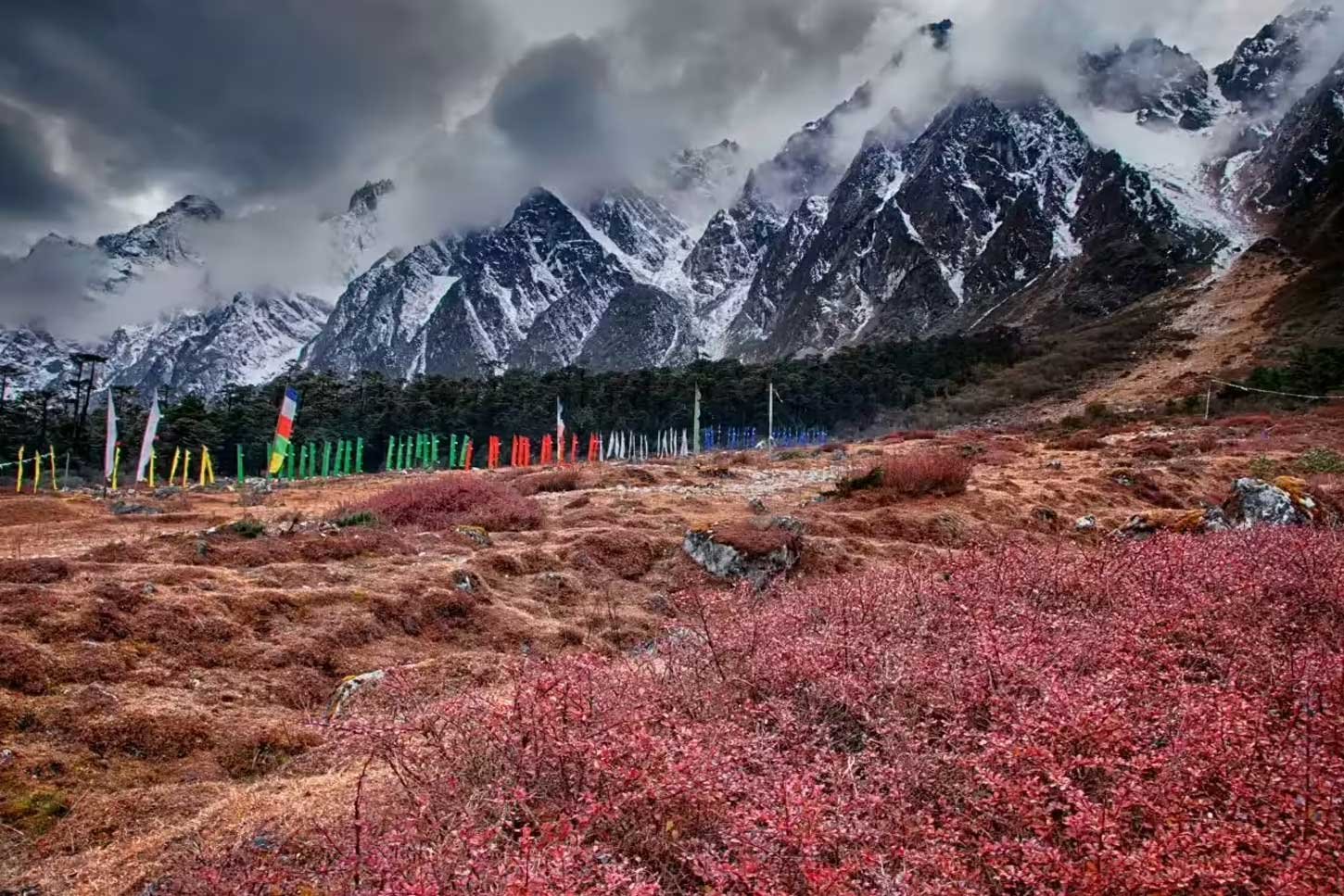
No wonder Sikkim is a bio-diversity hotspot; the state constituites only 0.2percent of the area of India but has 26 percent of its biodiversity species of flora and fauna, wild animals like marmots and the red panda, a wide range of flora from primulas to orchids. More then 580 varieties of orchids, over 600 species of butterflies, 552 species of birds can be found in Sikkim. The pristine unspoilt natural beauty includes alpine landscape, thick luxuriant tropical forest, rivers in torrents and peaceful lakes. Sikkim has a very rugged and formidable topography.
Why Sikkim
Sikkim was earlier a protectorate of India with a monarchy Government but in 1975 it metamorphosed as the 22nd state of the Indian union. All though Nepali is the most widely spoken language in Sikkim, everyone seems to know Hindi and English. In spite of rapid development, Sikkim continues to be a small place and everything about it is simple.
From snow-capped mountains and glacial lakes to peaceful monasteries and colorful festivals, it has something for everyone.
Luxury Stays
0+
Satisfied Traveller
0+
Cultural Heritage
Sikkim’s cultural heritage is a rich blend of Nepali, Bhutia, and Lepcha traditions.
The state is known for its peaceful coexistence of diverse ethnic groups.
Festivals like Losar, Saga Dawa, and Pang Lhabsol reflect its Buddhist roots.
Monasteries such as Rumtek and Pemayangtse preserve ancient rituals and art.
Traditional music, dance, and colorful attire are vital to local celebrations.
Thangka paintings and wood carvings are unique local art forms.
Sikkimese cuisine, like momo and gundruk, reflects Himalayan influences.
The influence of Tibetan Buddhism is seen in daily life and architecture.
Locals speak multiple languages, including Nepali, Bhutia, and English.
Sikkim’s cultural richness adds depth to its natural beauty.
top places to visit in Sikkim
The clean environment, friendly locals, and sustainable tourism practices make it a peaceful retreat.
Adventure seekers, spiritual travelers, and nature lovers all find Sikkim rewarding.
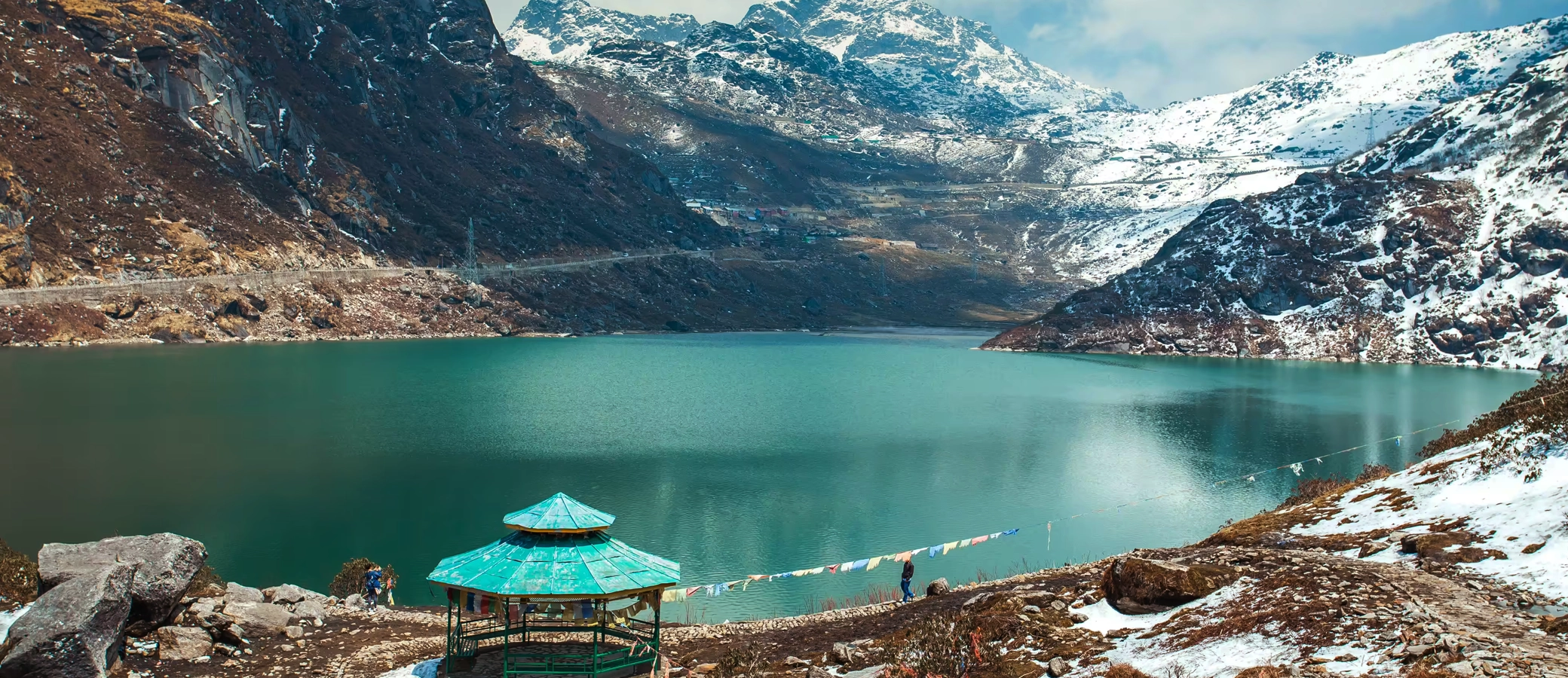
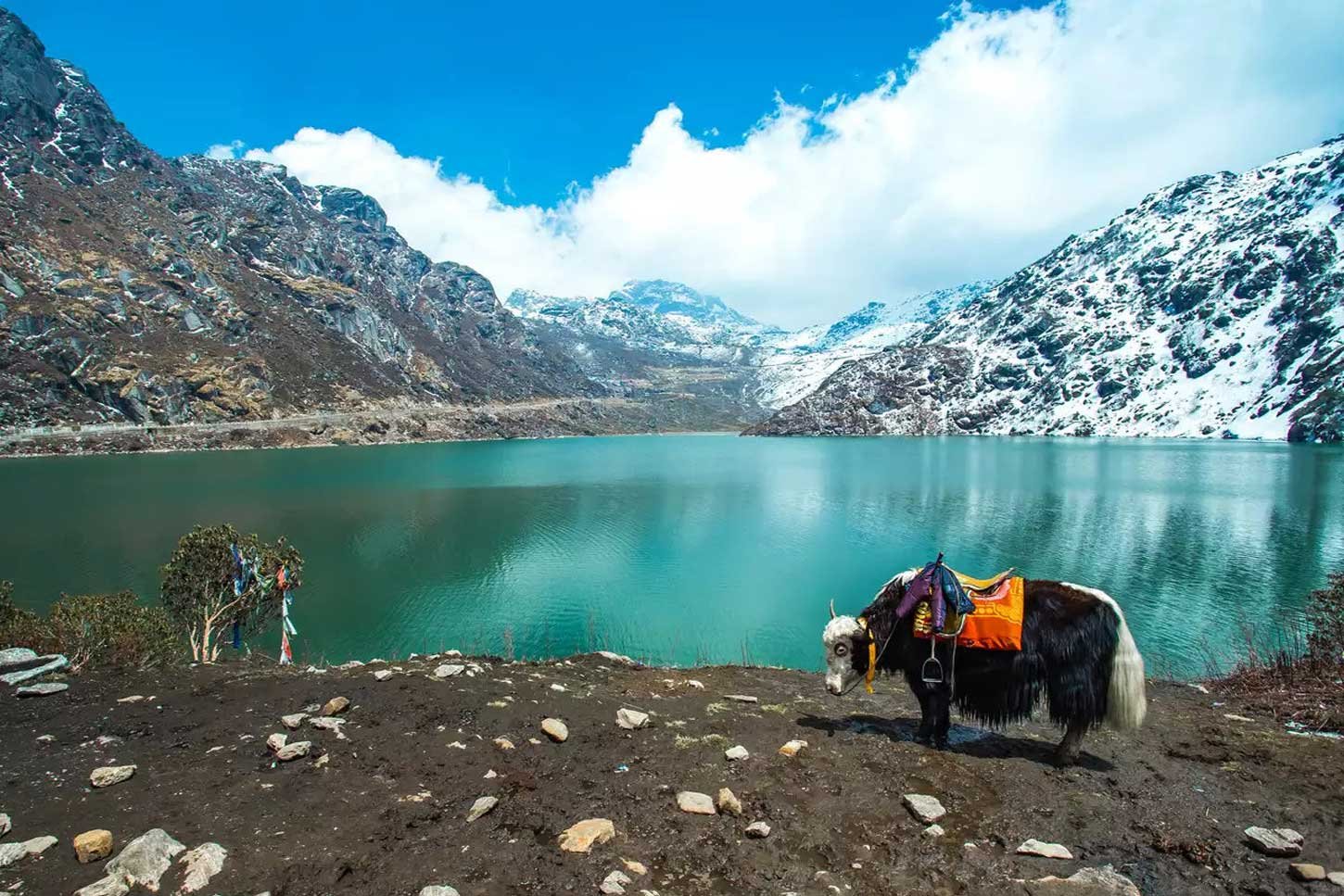
Tsomgo Lake (Changu Lake)
A beautiful glacial lake located at an altitude of 12,400 ft.
Surrounded by snow-capped mountains, it’s frozen during winter.
The lake changes color with the seasons, adding to its charm.
Yaks and mules are available for rides around the lake.
It’s a sacred spot for locals and a must-visit near Gangtok.
Nathula Pass
A high mountain pass on the Indo-China border, part of the ancient Silk Route.
It offers dramatic views of the Himalayas and is rich in historical significance.
Visitors can see Indian Army bunkers and the border gate.
It’s located at 14,140 ft and accessible with a special permit.
Snow lovers will especially enjoy visiting in winter.
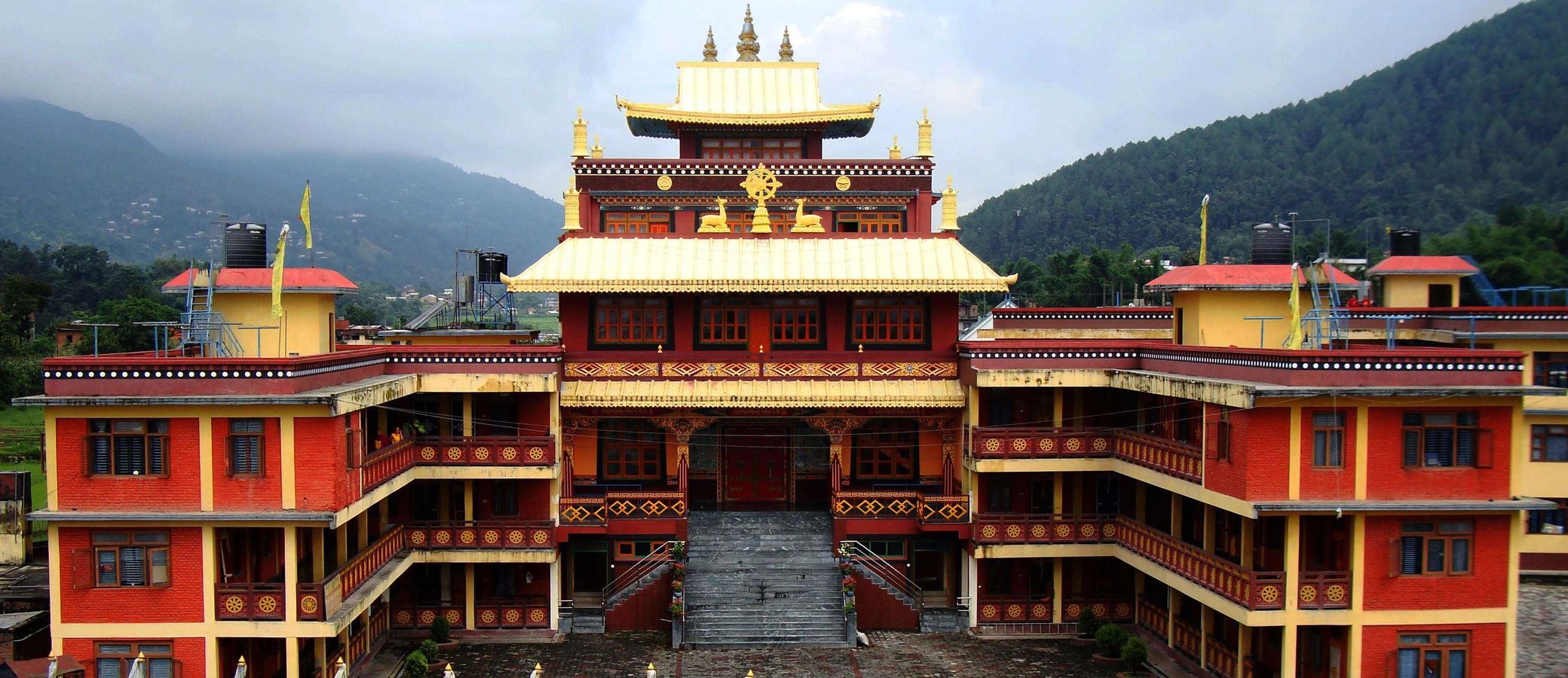
Rumtek Monastery
One of the largest and most important Buddhist monasteries in Sikkim.
It represents Tibetan architecture and is the seat of the Karmapa Lama.
The monastery holds rare scriptures, thangkas, and sacred relics.
Surrounded by lush hills, it offers a peaceful environment.
It’s a spiritual and cultural hub near Gangtok.
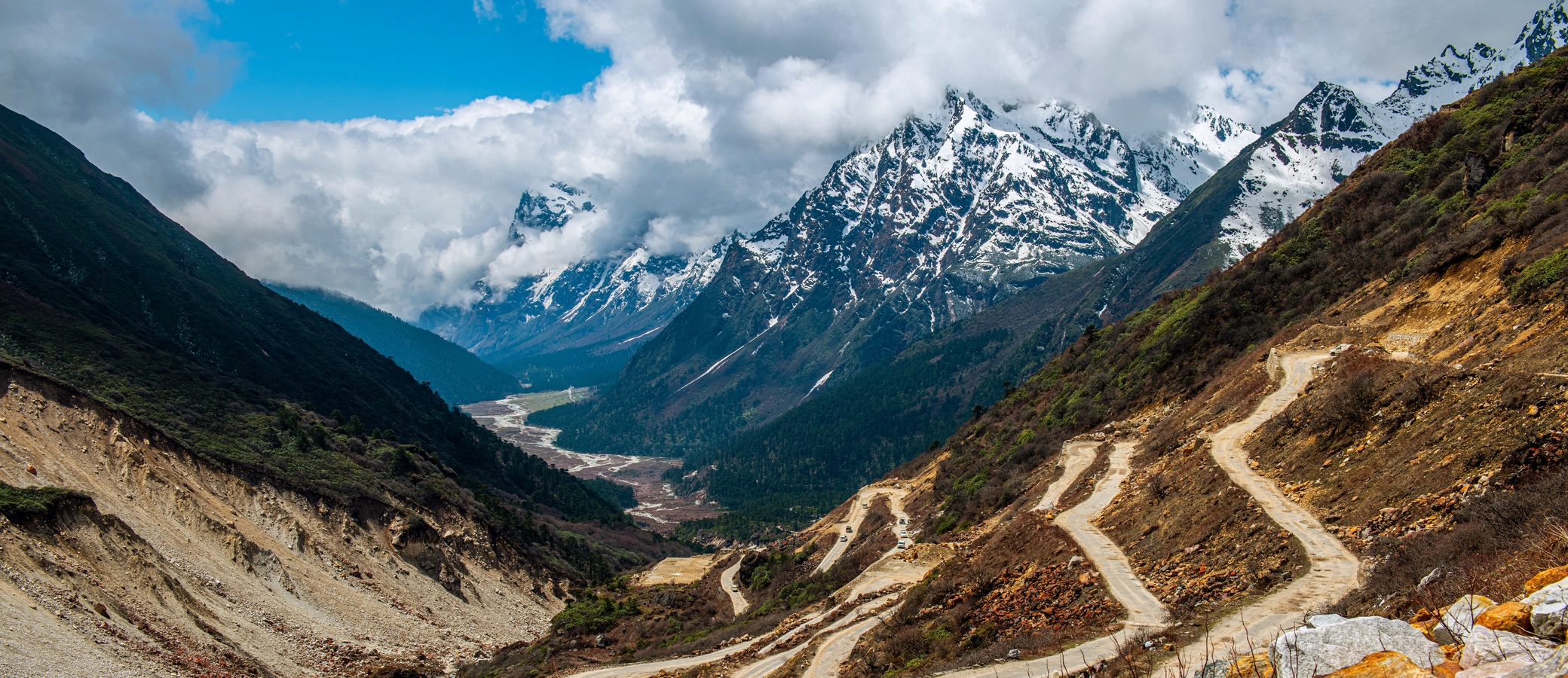
Yumthang Valley
Known as the “Valley of Flowers” in North Sikkim.
During spring, the valley blooms with rhododendrons and alpine flowers.
It is surrounded by snow-covered peaks and a flowing river.
Hot springs nearby add to its natural charm.
Perfect for nature lovers and photographers.
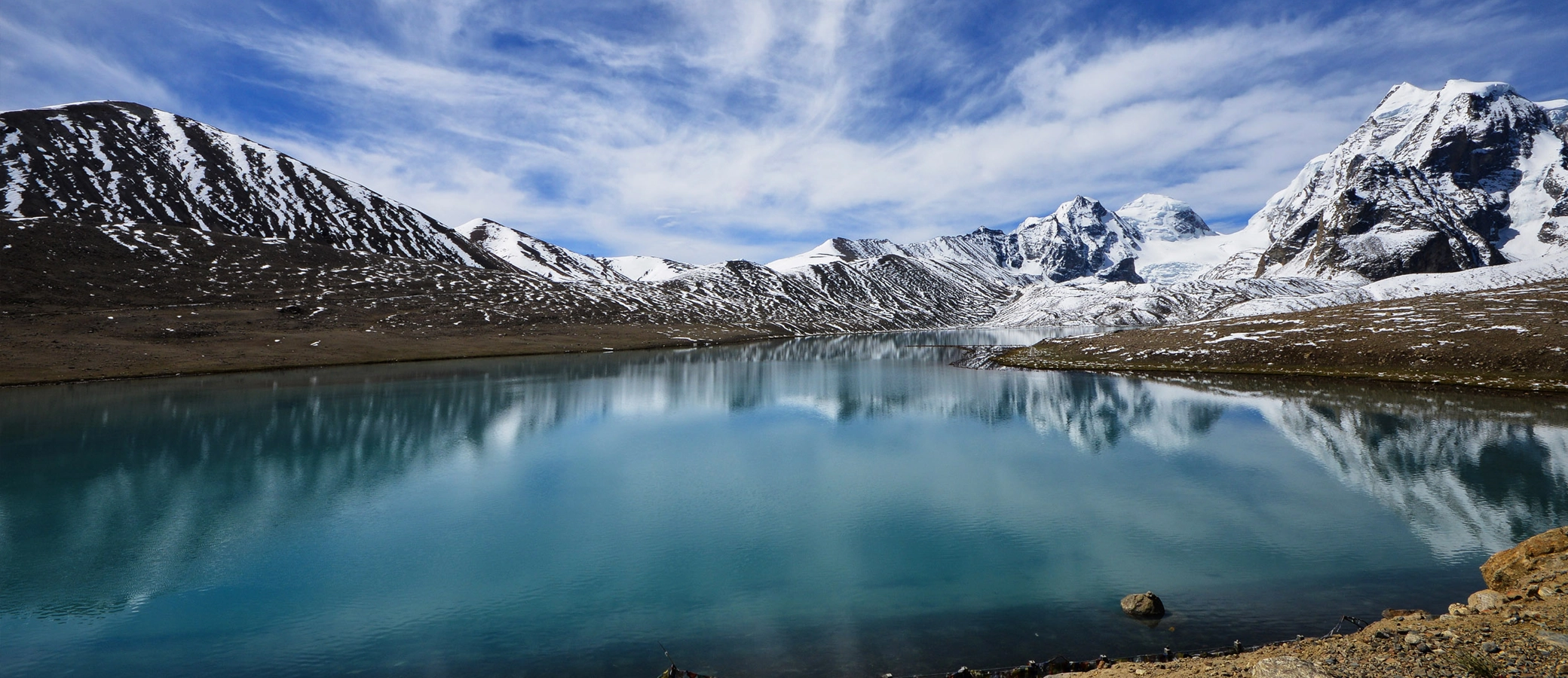
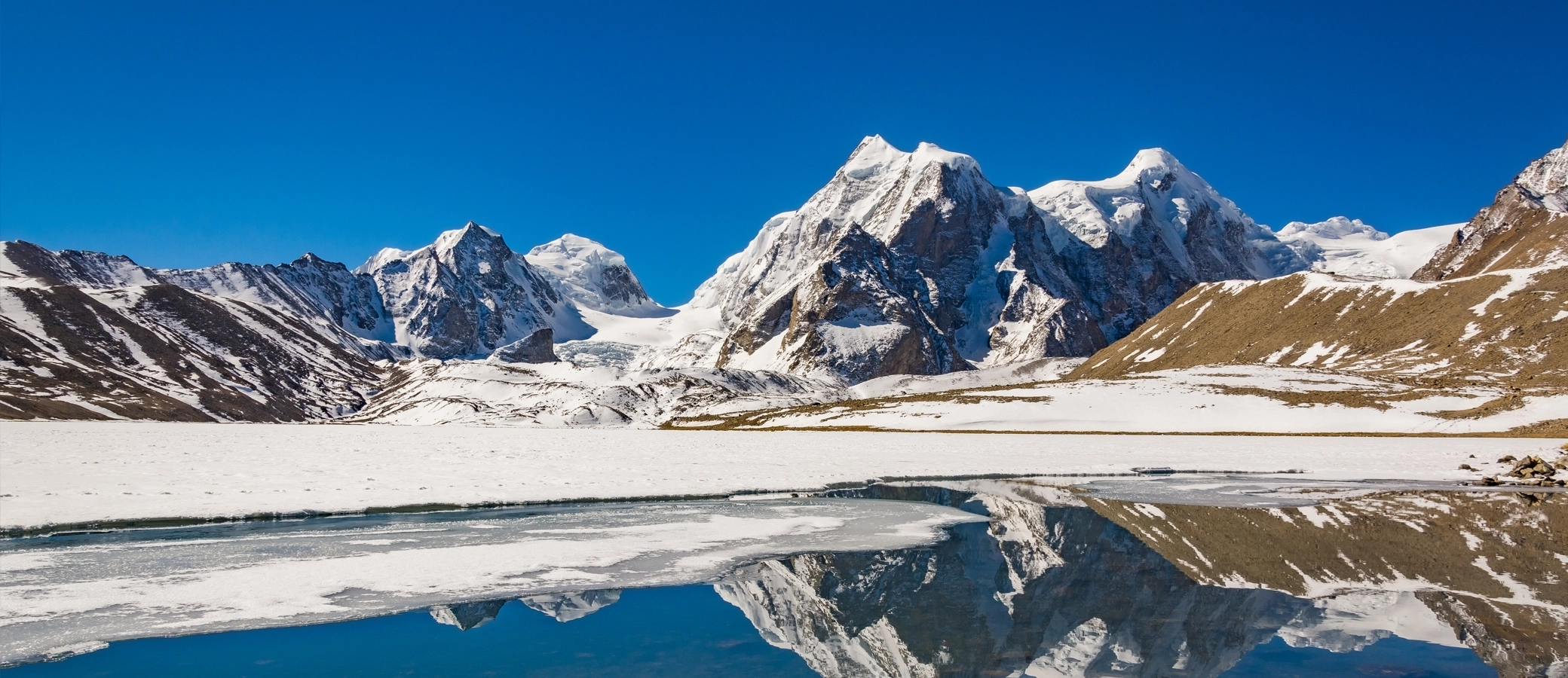
Gurudongmar Lake
One of the highest lakes in the world, located at 17,800 ft.
Its crystal-clear blue waters remain partially frozen even in summer.
The lake is considered sacred by both Hindus and Buddhists.
The journey is tough but offers stunning high-altitude landscapes.
An unforgettable experience for adventurous travelers.